Set An Appointment
Listed here below you'll find additional sensible material all about Detecting hidden plumbing leaks.
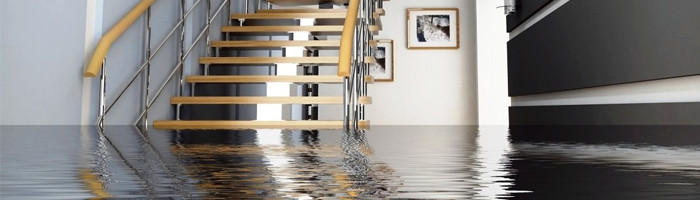
However, climate adjustment as well as international warming have damaged the area. Numerous locations that were once risk-free have actually experienced extra flooding and also groundwater breach. The latter can penetrate your home also before it appears the surface.
Recognizing what signs to keep an eye out for can help you minimize water damages. You should also inspect all your pipelines to catch any visible leakages. If your cellar is always damp, it's highly most likely that groundwater is can be found in from beneath your house or nearby.
Because it can lead to mold and mildew and also mildew development, climbing groundwater is a pressing problem. It can also speed up timber rot, leading to architectural issues. Moreover, boosted groundwater makes your home extra prone to floods when it rainfalls. Do not misery, since you can still avoid groundwater from damaging your cherished home. Here's just how!
Prioritize Waterproofing the Cellar
Flood should not have to come into your house before you waterproof the basement or crawlspace. If you dilly-dally, it will result in a massive trouble when groundwater breaks in with rainfall and flood.
Fill the basement with even more concrete to avert any issues caused by groundwater. Pouring concrete and also applying waterproofing measures seals your basement and shields it from water intrusion.
Take Into Consideration Mounting a French Drain System
Best of all, they don't look evident due to the fact that these drains look like a pipe or trench that can readily mix where it's positioned. This system safeguards your residence from additional difficulties due to the fact that it will prevent water from leaking into your structure.
When you install this kind of drain system, you protect your foundation. As a result, you will not have to stress concerning significant repair services in situation of water damage.
Invest in Numerous Sump Pumps
The main objective of this pump is to reroute the water from entering your home. This can secure your house from rising groundwater.
A sump pump will certainly provide a layer of protection if you feel concerned concerning groundwater seeping right into your basement. Several prefer this because they are pretty economical as well as easy to set up. Nonetheless, take notice of when you use it due to the fact that it can spike up your power costs.
Increase the Building Completely
Raising your house completely is a reliable solution to stop groundwater from being available in. It is the most expensive option. The general procedure included building a new, greater foundation to lift the home over the disaster area. This will likewise boost residential property value and assist you market your home ultimately.
Using these tips will certainly aid safeguard your residence and items against water damages. However if you've done everything that you perhaps can however water still seeps into your house, call a water restoration company as soon as possible to help you come back on the right track.
If your cellar is always wet, it's highly likely that groundwater is coming in from under your house or close by.
Boosted groundwater makes your house much more prone to floodings when it rainfalls. Do not despair, since you can still protect against groundwater from harming your precious residence. Fill the basement with even more concrete to prevent any kind of issues caused by groundwater. A sump pump will supply a layer of security if you really feel stressed about groundwater seeping into your cellar.
Tips for removing water and drying your hardwood flooring after a flood
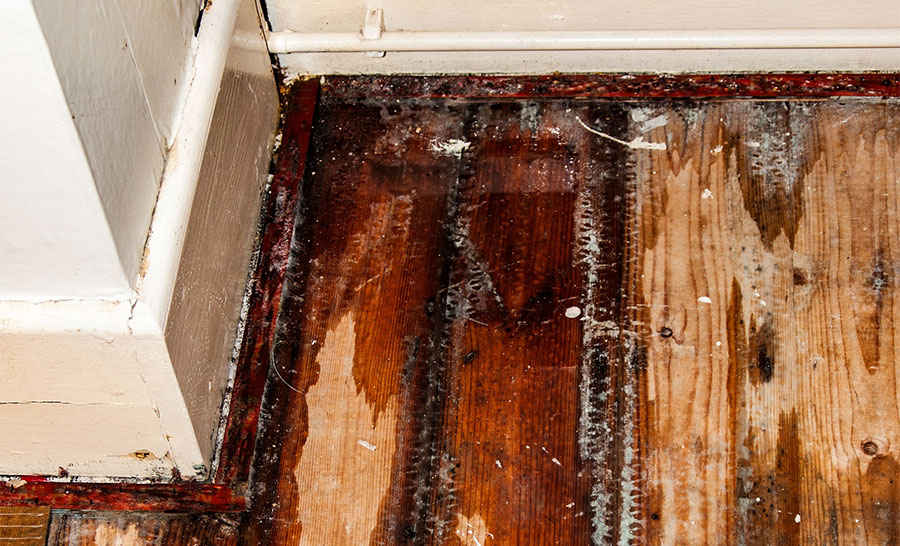
Water and wood just don t mix. If you ve been following the aftermath of Hurricane Harvey or Hurricane Irma, this should come as no surprise. When water sits on top of hardwood floors, it can permanently ruin the hardwood as the wood will absorb the water through its pores causing warping and discoloration. So, if you have a flood or water damage (or even just a spill) on your hardwood flooring, you ll want to remove the water and dry your floors as quickly as possible.
What happens when your hardwood absorbs water?
Wood can get wet (or moist) in a number of ways a flood from outside from the rain, leaky pipes (or frozen pipes), ice damming, a toilet overflow, a leaky roof, a hurricane or storm, an appliance breaks or leaks (e.g. dishwasher or washing machine), a fire (with water used to extinguish the fire), water spills/accidents, pet accidents, a high water table in the ground that then forces water into your sub-floor from the ground.
Will my insurance company cover my water damaged flooring?
Whether or not your insurance will be cover the damage depends on your insurance plan and the cause of the damage. Please note that most homeowners (less than 20%) have flood insurance. So, if the damage was from flooding (i.e. it came from outside the house), there s a good chance you aren t covered.
Use a wet vacuum to suck up all the standing water
You want to quickly absorb as much water as you can. Note: you may want to turn to a professional mitigation company as they specialize on water extraction and have the best equipment. If you choose to do this yourself, here s a wet vacuum I d recommend. Note: keep vacuuming even after you ve removed all visible water as there is still water from the invisible pores in the wood. You ll see that that the wet vacuum continues to suction up water for a while.
Clean the surface with a disinfectant
Remember, you need to prevent mold in addition to preserving your hardwood floors. You should use a non sudsy disinfectant (e.g. Mr Clean). Once you ve finished this, use the wet vacuum again to remove any leftover water.
Use a dehumidifier
Place a dehumidifier in the center of room. If you can get more than one, that s even better. Be sure to clear the water every few hours (and make sure the filter is clean as well). Make sure the dehumidifier runs for at least 24 hrs, but you may need to use it for 2 to 3 days or even longer, pending on the severity of the water. In some cases, it s advisable to use a dehumidifier for several weeks.
Supplement with large fans (and air conditioning)
Accelerate the drying process with fans. Point the fans towards the floor. Also, be sure to open the windows around 2 inches for better air circulation/ventilation (and keep the door open). This will allow excess moisture to evaporate and create more cross ventilation. (If it s raining or extremely humid outside, then keep the windows shut and just keep the doors to other rooms open and use a dehumidifier). Put the fans on the highest level (i.e. full blast) and point them towards the floor. If you have some that oscillate, even better.
https://theflooringgirl.com/blog/save-hardwood-floors-water-damage-flood/
Do you like reading up on Detecting hidden plumbing leaks? Make feedback directly below. We would be pleased to know your views about this blog post. We hope that you come back again in the near future. Enjoyed our write up? Please share it. Help someone else locate it. Thanks for taking the time to read it.
We're ready, are you?